← Back to Applications

Balloon Catheter Hypotube

Laser-cut hypotube and marker band sourcing support for balloon catheter programs.
Target Buyer:Catheter R&D teams sourcing precision tube components.
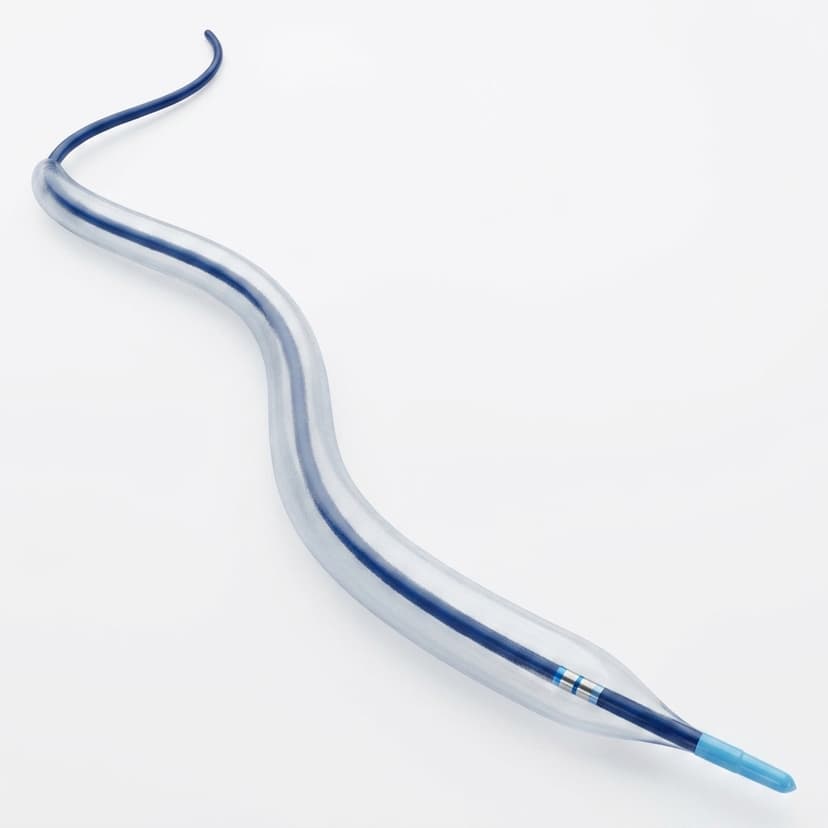
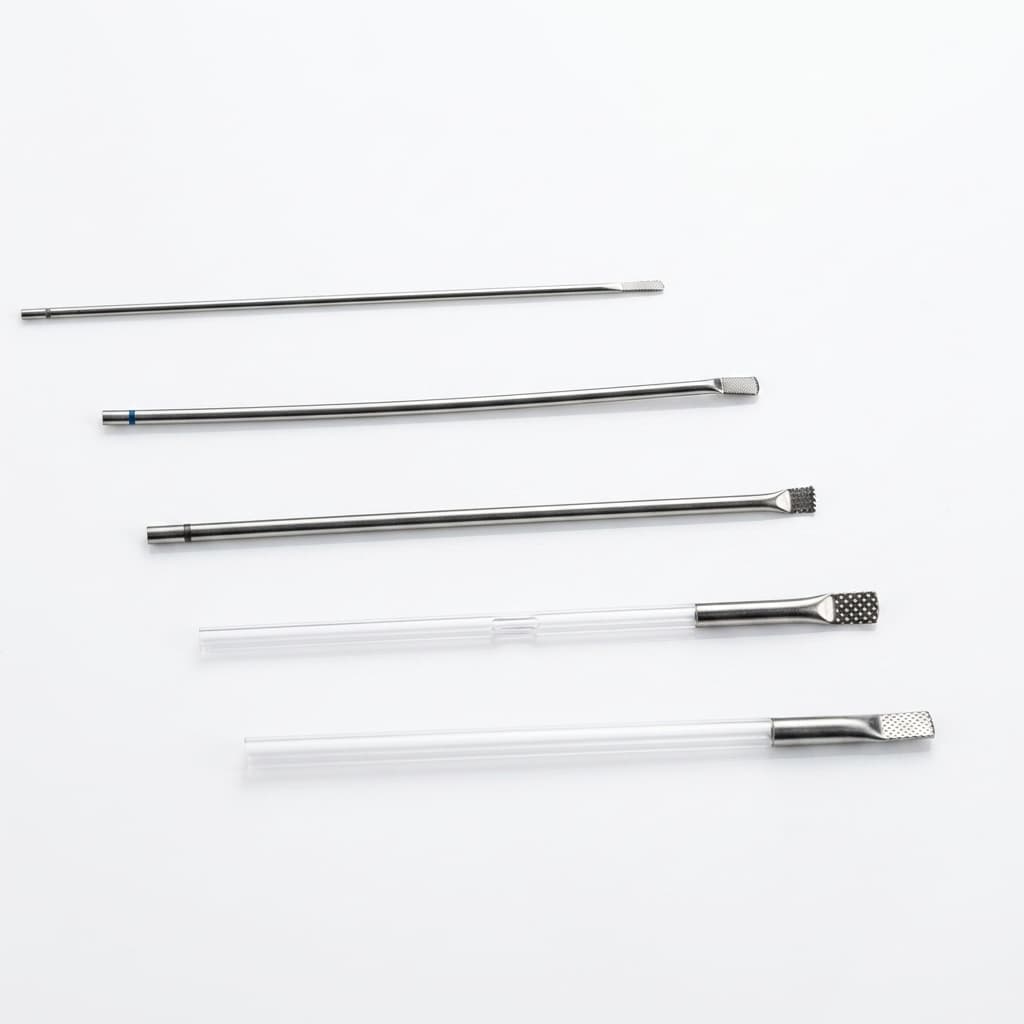
balloon catheter hypotube shaft sample for stiffness transition review

Solution Highlights

  • Component fit review
  • Prototype response
  • Documentation-focused RFQ

Common Use Cases

  • PTCA catheters
  • PTA catheters
  • Structural heart

Implementation Focus

  • Assembly stack-up
  • Flexibility transition zones
  • Burr-free finish

Application Evaluation Matrix

Evaluation MetricTypical RangeBuyer Relevance
Assembly tolerance stackReviewed by OD/ID/wallSmall mismatches create friction.
Shaft transition strategyProximal support, distal flexibility, laser-cut or tapered zoneControls pushability without creating a stiffness cliff near the balloon section.
Marker band fitShaft OD, band ID, crimp method, pull-off expectationPrevents marker migration, profile growth, and downstream assembly scrap.

Buyer Decision Points Before RFQ

Decision FactorConfirm Before QuoteBuyer Impact
Shaft architectureStraight hypotube, laser-cut section, taper-ground transition, or reinforced shaft requirement.Clarifies whether the design needs raw tube supply or a tuned catheter shaft component.
Balloon and marker interfaceMarker band dimensions, crimp location, balloon bond zone, and OD profile target.Avoids profile growth and marker movement during balloon catheter validation.
Validation inputsTrackability, pushability, kink, tensile, leak, and dimensional acceptance criteria.Lets prototype samples be judged against the buyer test plan, not only a drawing.

RFQ Preparation Checklist

  1. Send component drawing pack
  2. List validation tests
  3. State lead-time target

Risk and Mitigation

  • Late design changes: Use a drawing-controlled prototype loop.
  • Balloon or shaft damage during assembly: Define burr limits, chamfer needs, and marker-band crimp windows before sampling.

Application Build and Release Flow

  1. Assembly map review: Map hypotube, marker bands, balloon bond zones, and any transition features against the full catheter drawing pack.
  2. Component preparation: Cut, grind, laser pattern, deburr, or finish tube components according to the balloon catheter stack-up.
  3. Marker and finish control: Confirm marker-band fit, edge condition, passivation/electropolishing needs, and cleanliness notes.
  4. Prototype release: Release samples with dimensional data, surface notes, and revision-controlled traceability.

Quality Evidence Buyers Can Request

  • OD/ID/wall and length inspection for shaft-critical features
  • Marker-band ID/OD/length report and edge-condition review
  • Microscopic burr inspection for cut or laser-patterned edges
  • Material certificate and drawing revision traceability

Recommended Products

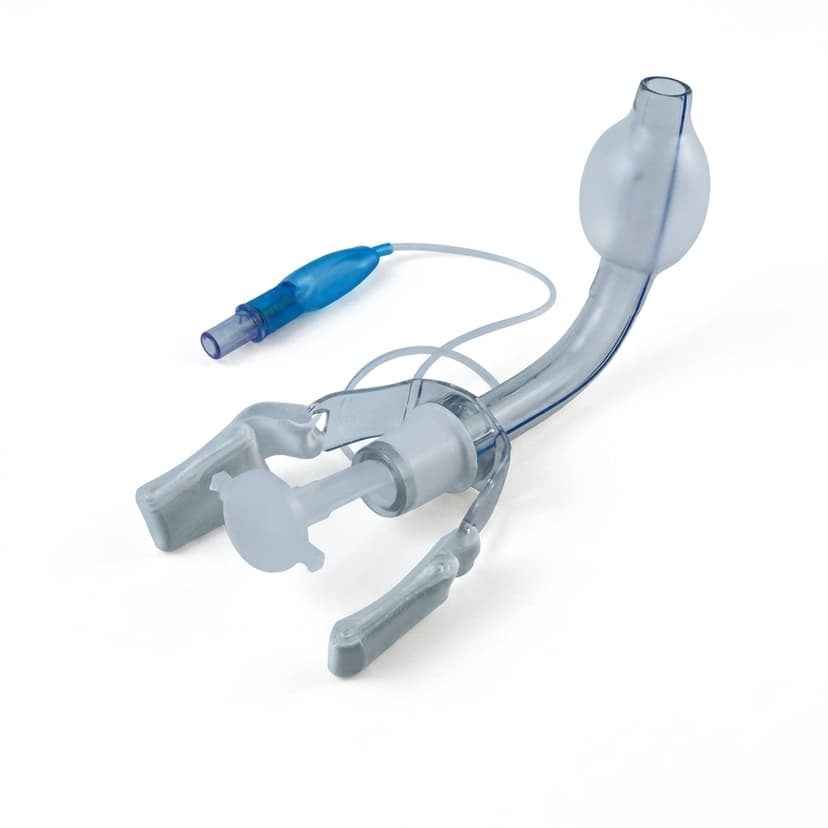
precision balloon catheter hypotube component for OD and wall review
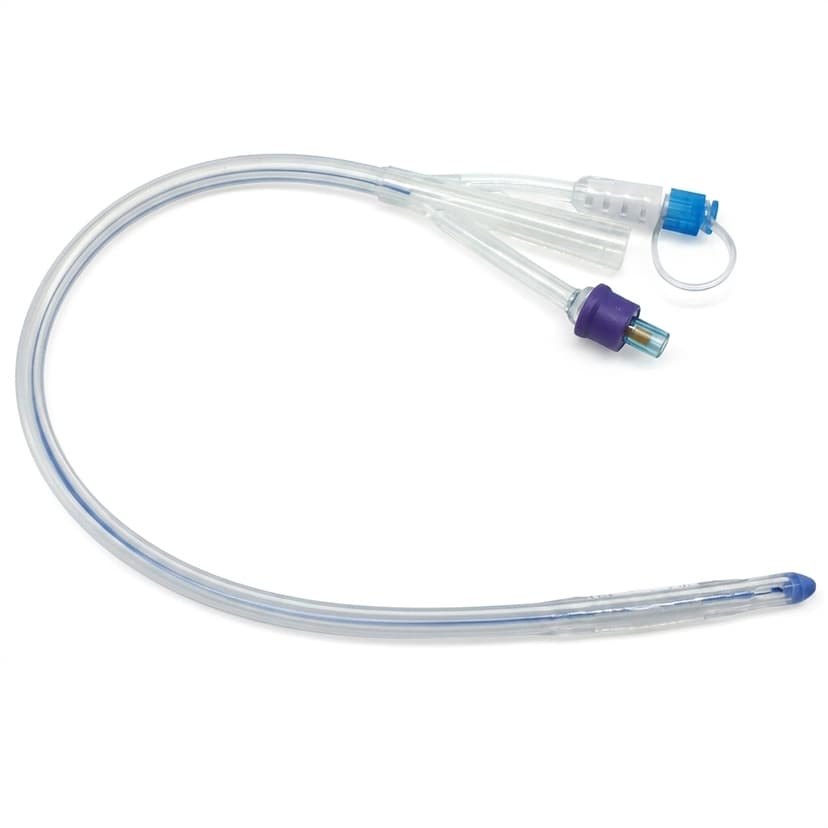
laser-cut balloon catheter hypotube for prototype sourcing
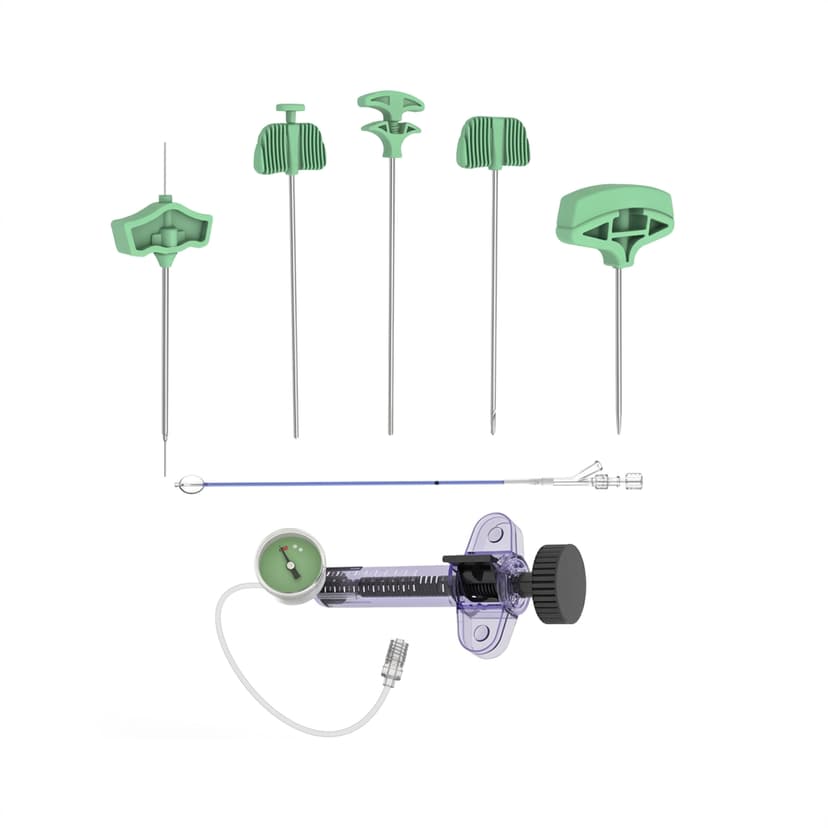
medical hypotube shaft component for balloon catheter assemblies
balloon catheter hypotube samples for inspection planning

Buyer FAQ

Quote multiple components?

Yes, share the full drawing set.

What should be fixed before a balloon catheter hypotube RFQ?

Freeze the shaft OD/ID/wall, transition-zone target, marker-band location, finish route, and sample acceptance tests before requesting price.

Related Buyer Paths

Inquiry Email

[email protected]

Best for drawings, tolerance tables, inspection needs, and quote history.

Instant Chat

WhatsApp Engineering Support

Fast path for OD/ID, material, sample quantity, and lead-time questions.

ISO 13485 & 9001-Oriented QMS
Burr-Free Electropolished Finish
CTQ Microscopic Inspection
Prototype to Mass Production