← Back to Products

Medical Hypotube

Precision stainless steel hypotubes for catheter and minimally invasive delivery systems.
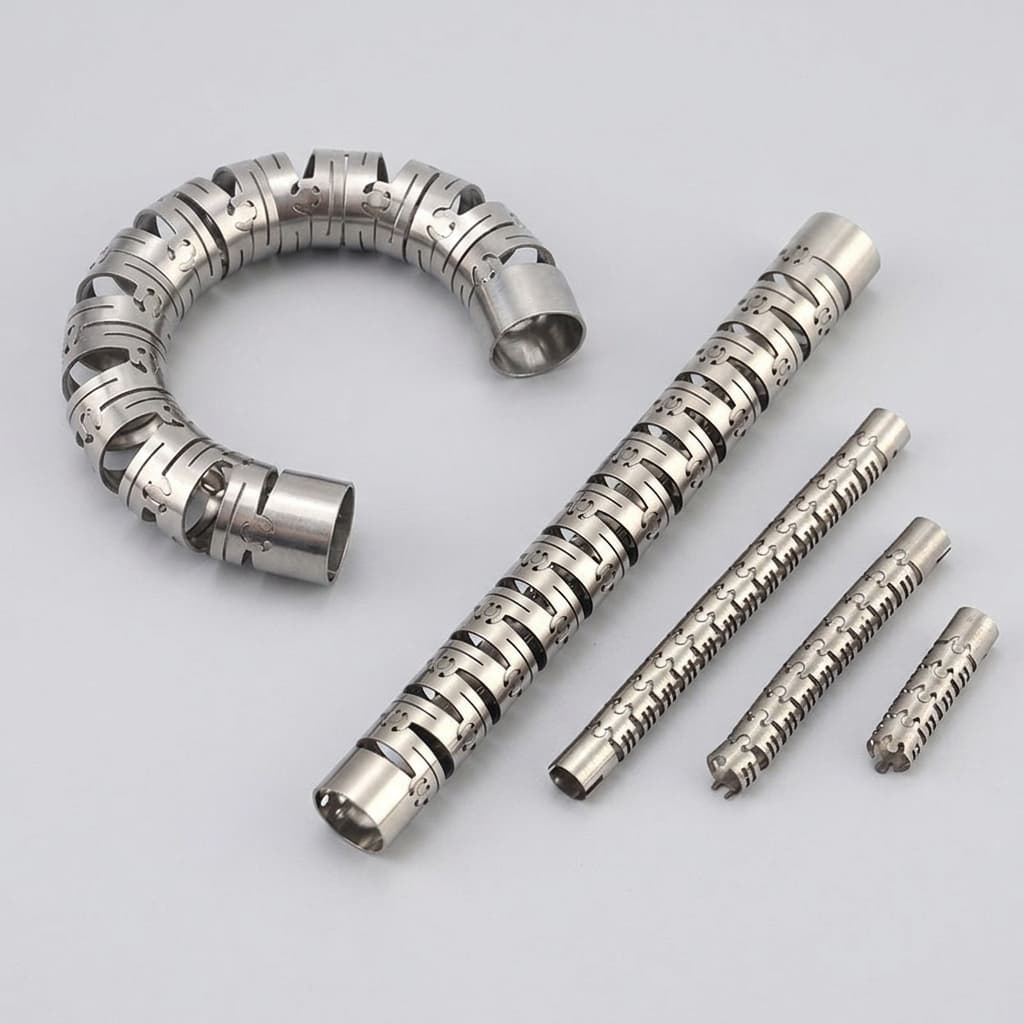
Target Buyer:Catheter R&D engineers and contract manufacturers.
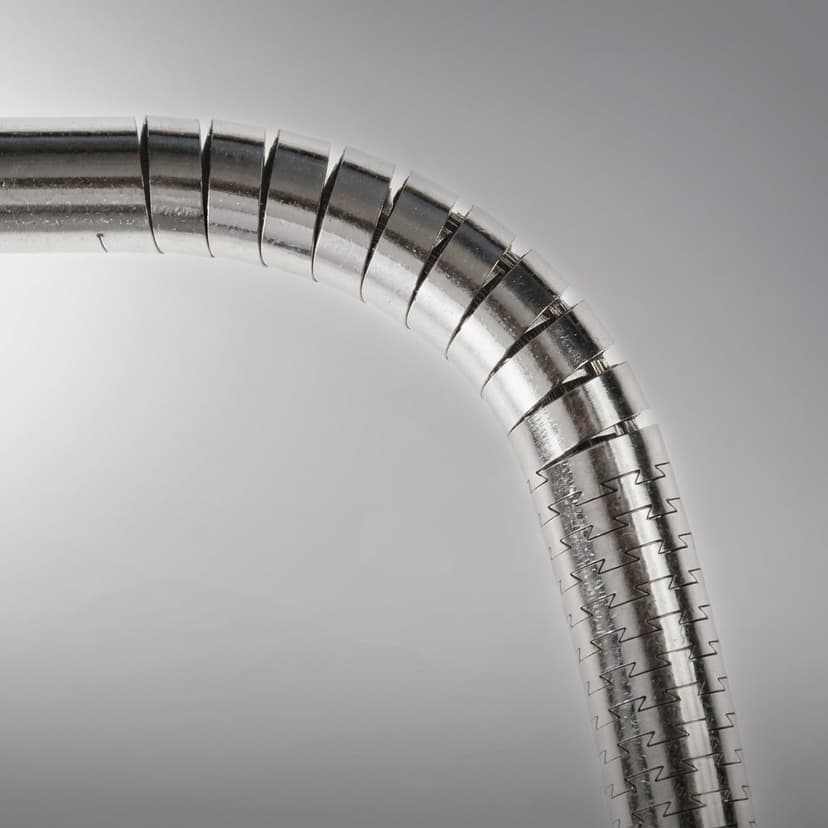
laser-cut stainless steel medical hypotube for catheter shaft review

Capability Highlights

  • Tight tolerance OD/ID/Wall
  • Burr-free ends
  • Custom lengths

Typical Applications

  • Catheter shafts
  • Guidewires
  • Endoscope components

Engineering Focus

  • Dimensional tolerance
  • Surface finish
  • Material certification

Key Evaluation Matrix

MetricTypical RangeWhy It Matters
Dimensional tolerance+/- 0.01 mm drawing-driven reviewEnsures nested assembly fit.
Material grades304 / 304L / 316 / 316L stainless steelLocks corrosion, strength, and documentation assumptions early.
Surface optionsCut-to-length, deburr, electropolish, passivatePrevents friction and corrosion issues during catheter assembly.

Buyer Decision Points Before RFQ

Decision FactorConfirm Before QuoteBuyer Impact
Material and corrosion route304, 304L, 316, or 316L stainless steel with passivation and certificate scope.Prevents late material substitutions and corrosion-risk surprises during supplier qualification.
Drawing tolerance stackOD, ID, wall, length, straightness, ovality, and CTQ dimensions by revision.Keeps catheter shaft fit, guidewire passage, and bonded assembly clearance under control.
Prototype-to-pilot quantity planSample quantity, pilot lot size, annual forecast, destination, and target ship date.Lets engineering quote the right process lane instead of pricing a prototype like production.

RFQ Checklist

  1. Provide material grade
  2. Specify OD, ID, Wall
  3. Define target length

Risk Controls

  • Friction in assembly: Electropolishing and passivation.
  • Gauge or wall-callout ambiguity: Quote by explicit OD, ID, wall, tolerance, and drawing revision instead of relying only on gauge labels.

Manufacturing and Release Flow

  1. Drawing intake: Review end-use application, drawing revision, CTQ dimensions, material grade, and required documents.
  2. Tube preparation: Cut, grind, skive, or form tube features according to tolerance and assembly requirements.
  3. Surface finishing: Apply deburring, electropolishing, passivation, ultrasonic cleaning, or packaging controls as specified.
  4. Inspection release: Provide dimensional report, material certificate, surface notes, and lot traceability records.

Quality Evidence Buyers Can Request

  • Material certificate and heat/lot traceability
  • Dimensional inspection report for drawing-critical OD/ID/wall features
  • Microscopic visual check for cut edge and burr condition
  • Passivation or electropolishing confirmation when specified

Product Gallery

precision medical hypotube sample for OD and ID tolerance planning
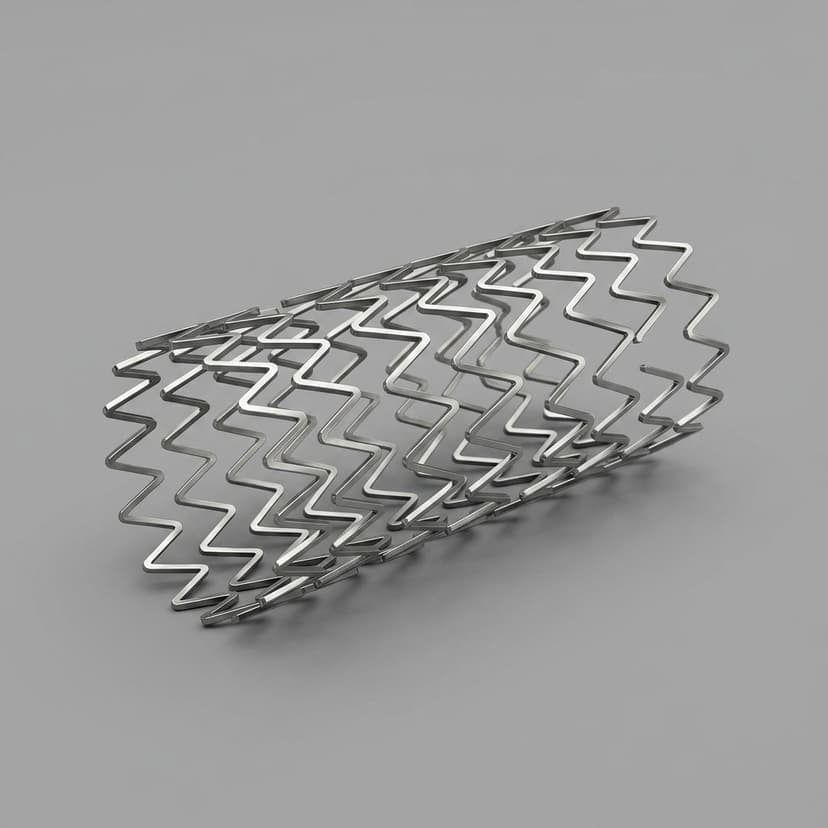
stainless steel hypotube component for drawing-based RFQ review
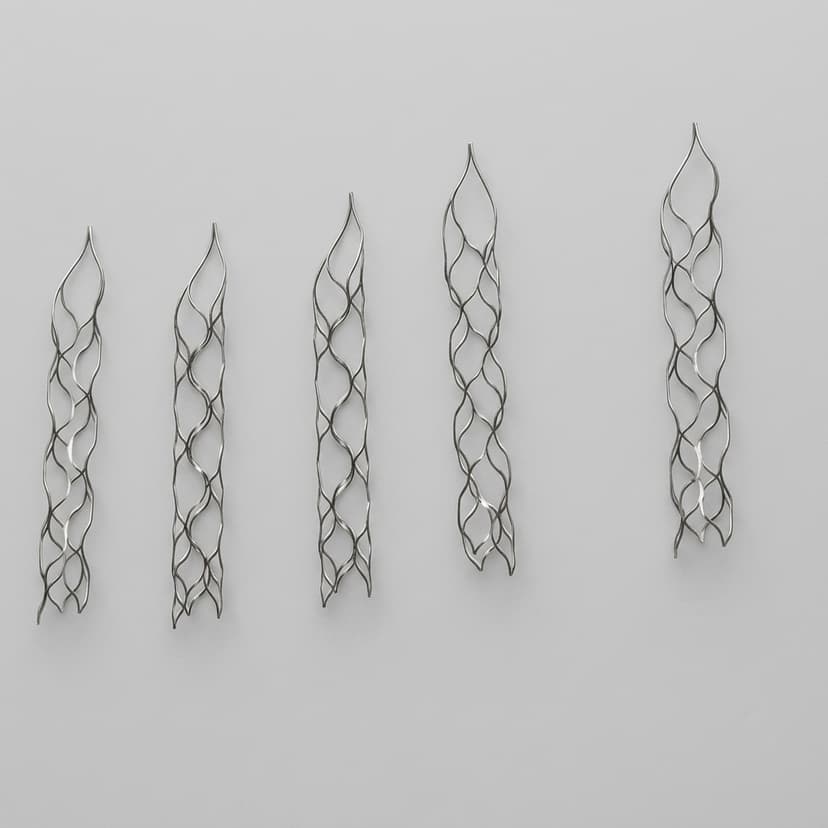
medical micro tube sample with laser-cut feature inspection needs
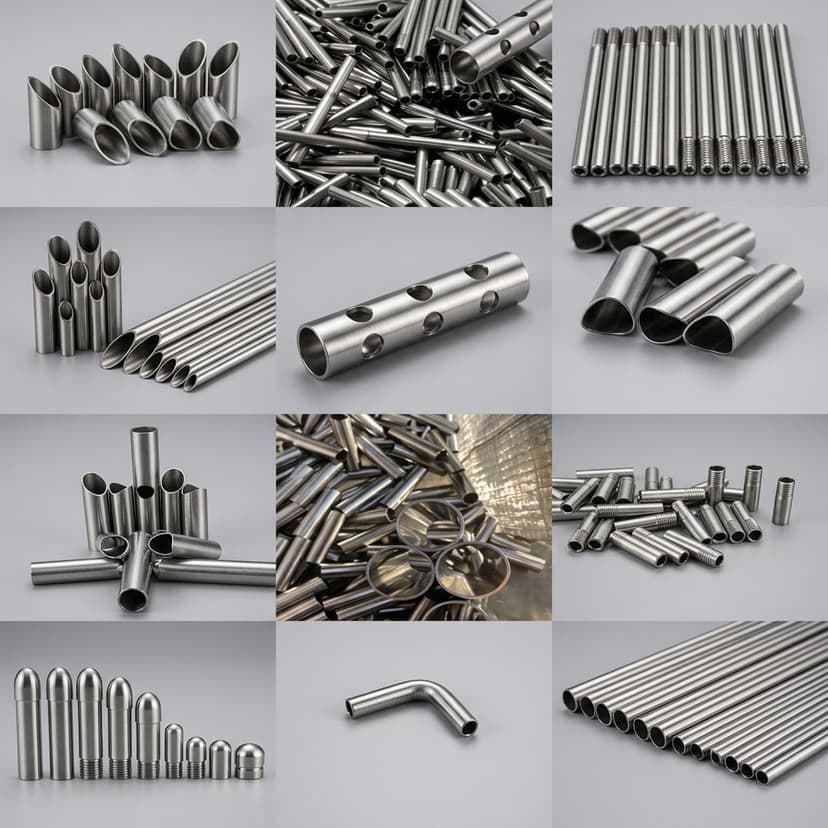
hypotube shaft component for catheter prototype sourcing

Buyer FAQ

What grades are available?

304, 304L, 316, 316L.

Can you quote from a gauge size only?

A preliminary review is possible, but production quotes should include OD, ID, wall thickness, length, tolerance, finish, and material certificate needs.

Related Buyer Paths

Inquiry Email

[email protected]

Best for drawings, tolerance tables, inspection needs, and quote history.

Instant Chat

WhatsApp Engineering Support

Fast path for OD/ID, material, sample quantity, and lead-time questions.

ISO 13485 & 9001-Oriented QMS
Burr-Free Electropolished Finish
CTQ Microscopic Inspection
Prototype to Mass Production