← Back to Capabilities

Nitinol Shape Setting & Micro-Welding

Thermal processing and joining of nitinol components.
Best Fit For:Engineers developing complex nitinol assemblies.
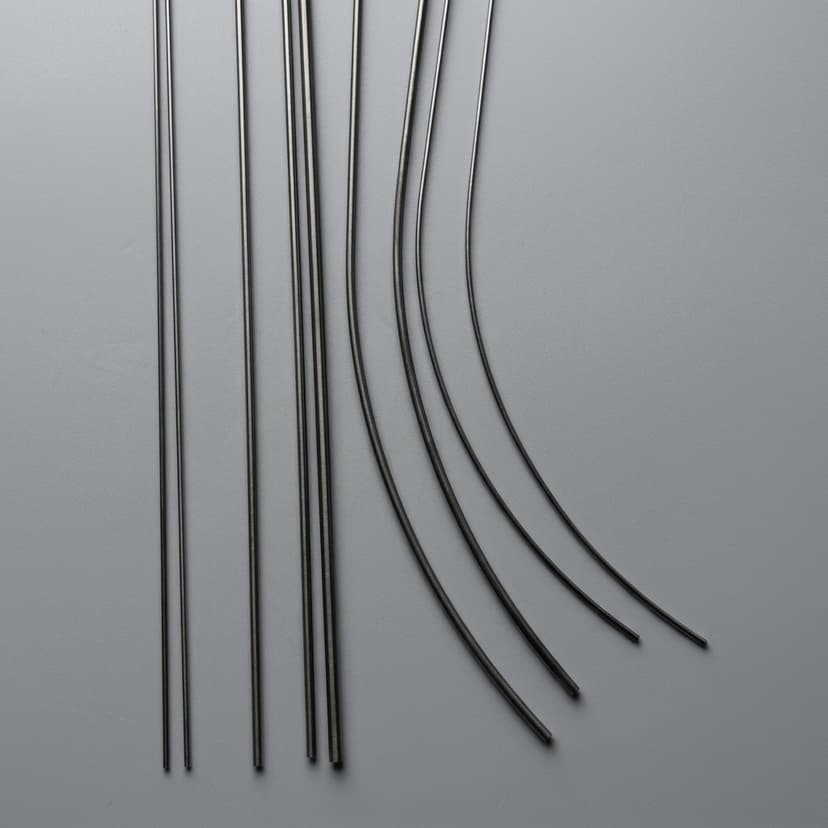
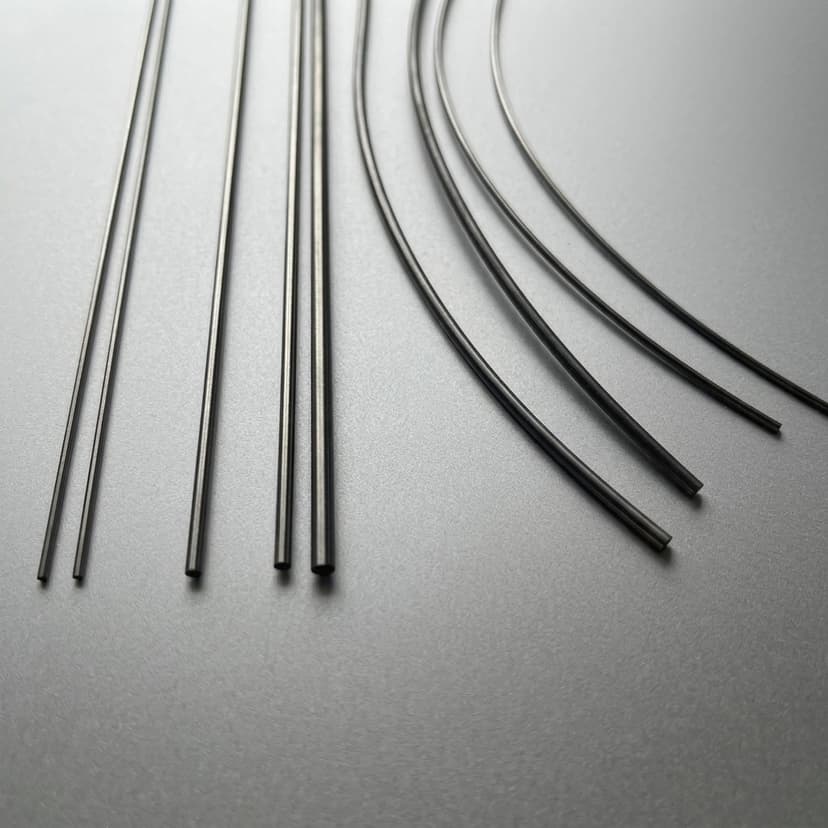
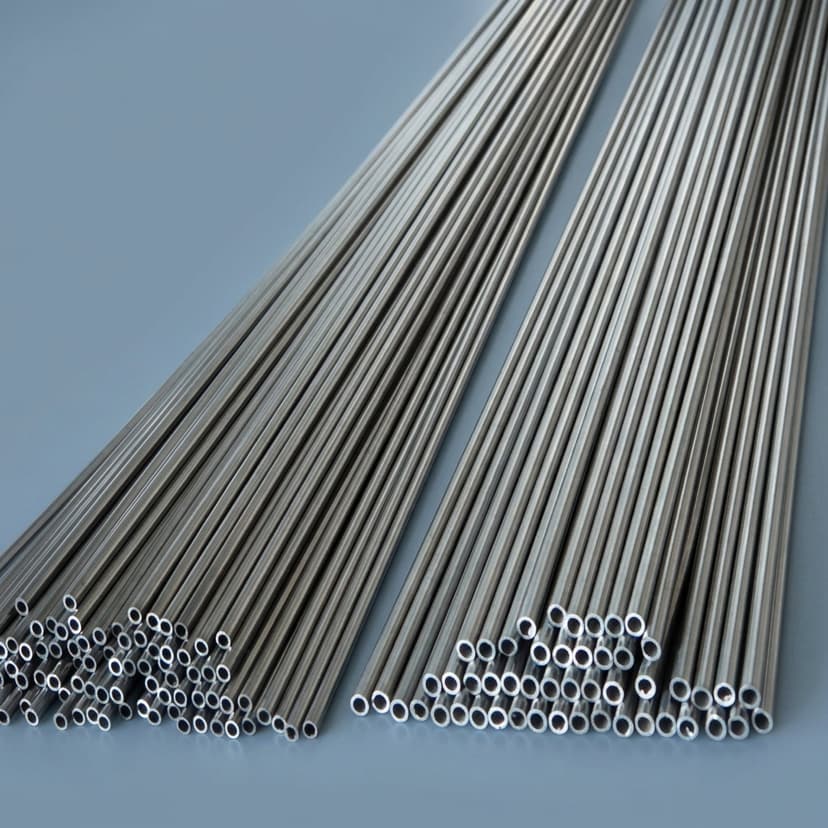
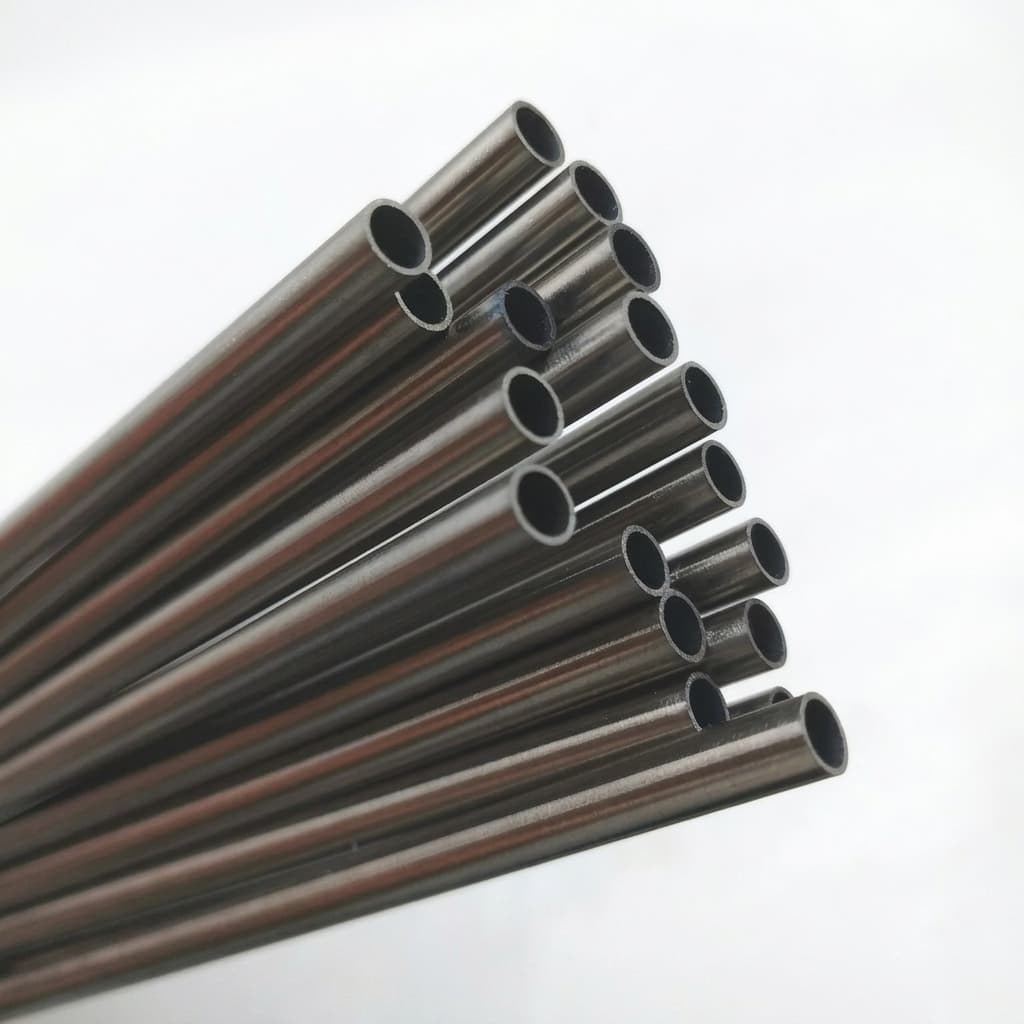
nitinol tube sample for shape-setting and Af target review

Capability Highlights

  • Custom shape memory
  • Precise AF targeting
  • Dissimilar metal welding

Typical Engagement Scope

  • Stents
  • Baskets
  • Snares

Execution Focus

  • Tooling design
  • Heat treatment profiles
  • Weld integrity

Program Evaluation Matrix

Program MetricTypical RangeProcurement Value
AF TemperatureCustom per applicationControls deployment behavior in vivo.
Shape-setting inputsFixture geometry, target angle, cycle requirementReduces spring-back surprises during prototype validation.
Joining reviewNitinol, stainless, and dissimilar-metal feasibilityAligns weld pull strength and HAZ expectations before build.

Capability Selection Logic

Decision FactorConfirm Before QuoteBuyer Impact
Functional temperatureAf target, use temperature, superelastic or shape-memory mode, and tolerance band.Keeps heat treatment tied to device behavior rather than only geometry.
Fixture and shape targetMandrel, forming fixture, target angle, spring-back allowance, and cycle expectation.Reduces iteration count when setting bends, baskets, snares, or complex tube shapes.
Weld interfaceMaterial pair, weld location, pull strength, HAZ limit, and post-weld inspection.Prevents joining assumptions from undermining nitinol performance.

RFQ Preparation Checklist

  1. Provide shape drawings
  2. Specify AF temperature
  3. Detail weld pull-strength needs

Risk and Mitigation

  • Shape spring-back: Iterative tooling and heat treatment optimization.
  • Weld heat affecting nitinol behavior: Define weld location, pull-strength expectation, heat input limit, and post-weld inspection before joining.

Process and Quality Flow

  1. Function and material review: Confirm nitinol grade, Af target, shape-memory requirement, joining materials, and inspection scope.
  2. Fixture planning: Design or review forming fixtures, mandrels, weld support, and datum references for the part.
  3. Thermal or welding process: Run shape setting or micro-welding with controlled heat input and part handling.
  4. Functional release: Inspect shape, dimensions, surface condition, weld area, and transformation evidence when requested.

Quality Evidence Buyers Can Request

  • Af target or transformation-temperature evidence when specified
  • Shape and dimensional inspection against fixture or drawing target
  • Weld visual inspection and pull-strength expectation when applicable
  • Material traceability and heat-treatment notes by sample lot

Related Products

superelastic nitinol component for heat-treatment route planning
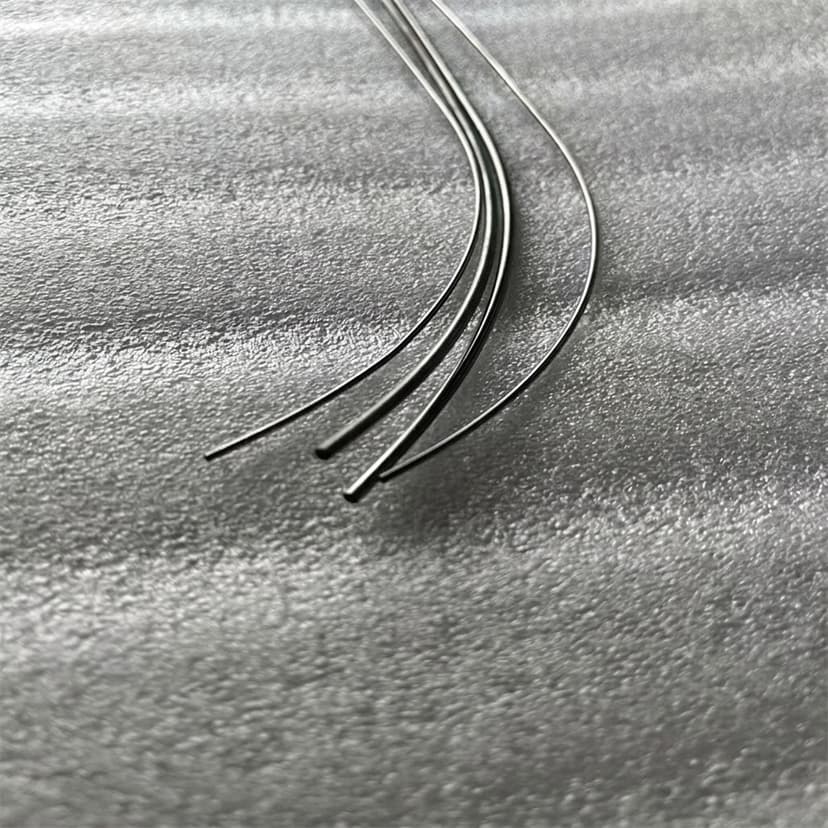
shape-memory nitinol tube for fixture and curvature review
medical nitinol tube for transformation-temperature evidence planning
precision nitinol tube sample for shape-set component sourcing

Buyer FAQ

Can you weld nitinol to stainless?

Yes, using specialized micro-welding techniques.

What affects nitinol shape-setting repeatability?

Af target, fixture design, heat-treatment profile, material lot, surface state, and post-process inspection all affect repeatability.

Related Buyer Paths

Inquiry Email

[email protected]

Best for drawings, tolerance tables, inspection needs, and quote history.

Instant Chat

WhatsApp Engineering Support

Fast path for OD/ID, material, sample quantity, and lead-time questions.

ISO 13485 & 9001-Oriented QMS
Burr-Free Electropolished Finish
CTQ Microscopic Inspection
Prototype to Mass Production