← Back to Capabilities

Electropolishing & Passivation

Controlled edge smoothing and corrosion-resistance finishing for medical tube components.
Best Fit For:Quality and manufacturing engineers defining surface-finish acceptance criteria.
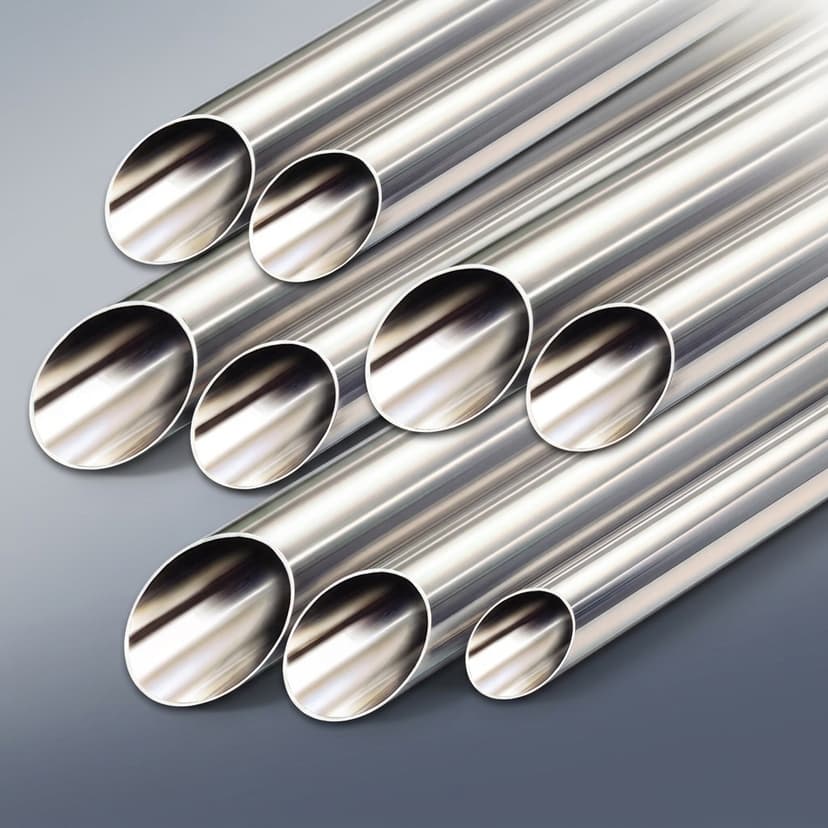
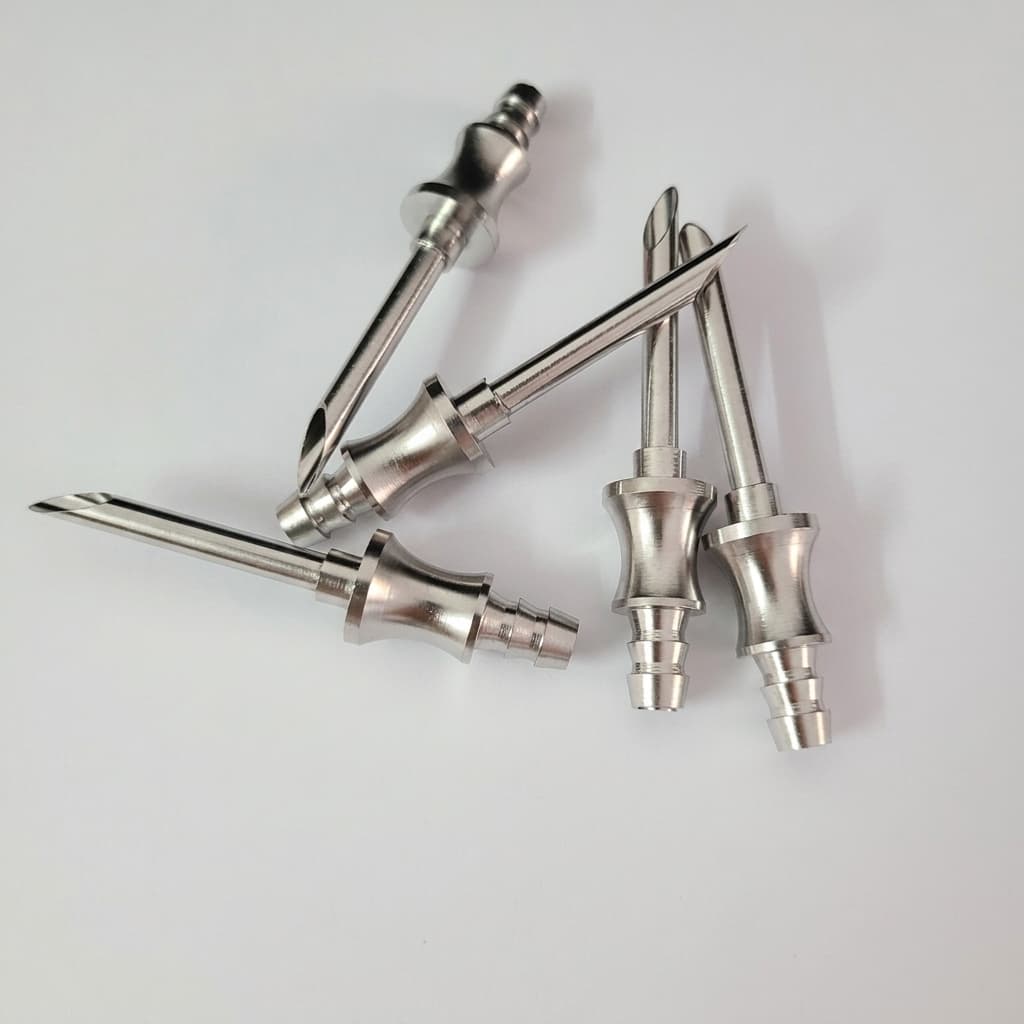
electropolished hypotube surface for burr and edge-condition review

Capability Highlights

  • Burr removal
  • Surface smoothing
  • ASTM A967 Passivation

Typical Engagement Scope

  • Implantable-component manufacturing programs
  • Catheter shafts
  • Surgical instruments

Execution Focus

  • Material removal rate
  • Edge rounding
  • Corrosion resistance

Program Evaluation Matrix

Program MetricTypical RangeProcurement Value
Surface Roughness (Ra)< 0.2 umSupports lower friction and surface-condition targets when validated for the application.
Process standardsASTM A967 passivation planningGives quality teams a concrete standard to place on drawings.
Inspection targetsBurr limit, edge rounding, material removal windowPrevents over-polishing while reducing recast and micro burrs.

Capability Selection Logic

Decision FactorConfirm Before QuoteBuyer Impact
Finish objectiveBurr removal, Ra reduction, passivation, corrosion resistance, or assembly friction target.Prevents using electropolishing as a vague finishing term without acceptance criteria.
Dimensional sensitivityAllowable material removal, wall thickness, slot bridge, ID/OD tolerance, and edge radius.Avoids over-polishing parts that already sit near tight dimensional limits.
Inspection methodVisual magnification, roughness check, passivation standard, corrosion test, and report needs.Connects the finish to measurable release evidence.

RFQ Preparation Checklist

  1. Define acceptable burr limits
  2. Specify passivation standard
  3. Detail inspection methods

Risk and Mitigation

  • Over-polishing: Strict time/current density control and dimensional checks.
  • Unverified burr removal: Set visual magnification, burr limit, edge radius, and dimensional checks before finishing starts.

Process and Quality Flow

  1. Pre-finish inspection: Review cut edge, burr, recast, wall thickness, and dimensional margin before processing.
  2. Controlled finishing: Apply electropolishing and/or passivation with project-specific time, chemistry, and current controls.
  3. Cleaning and neutralization: Use rinse, ultrasonic cleaning, drying, and handling controls appropriate to the component scope.
  4. Final release: Inspect dimensions, edge condition, surface notes, and passivation or finish records before shipment.

Quality Evidence Buyers Can Request

  • Before/after edge or surface inspection notes when requested
  • Dimensional check for features sensitive to material removal
  • Passivation standard or finish route confirmation
  • Microscopic review for remaining burr, slag, or rough edges

Related Products

smooth electropolished medical hypotube for surface finish evaluation
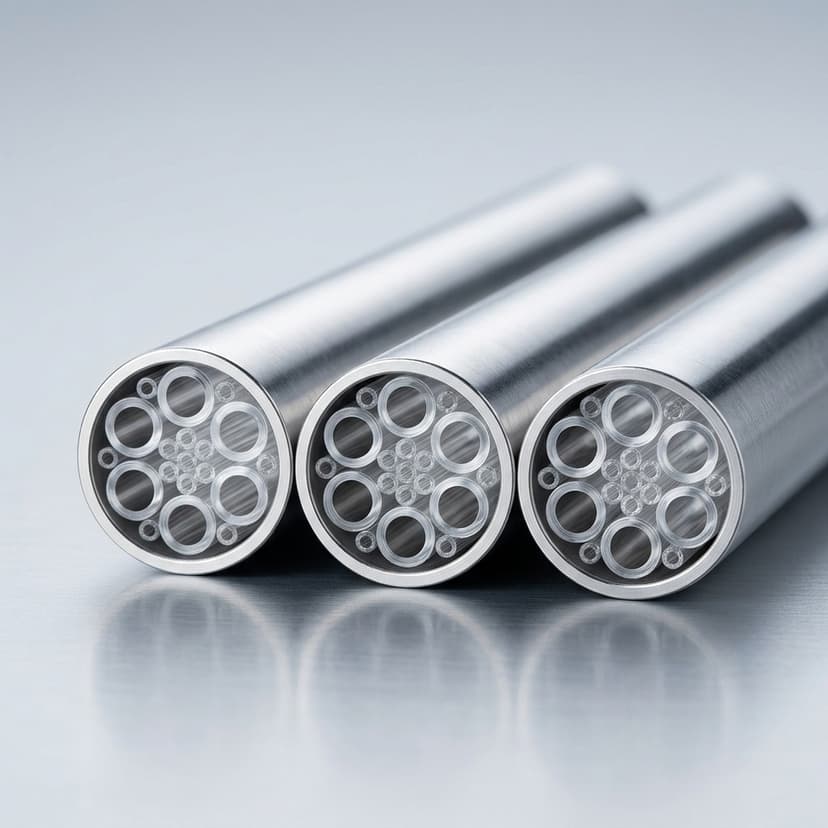
electropolished laser-cut hypotube sample for Ra and burr review
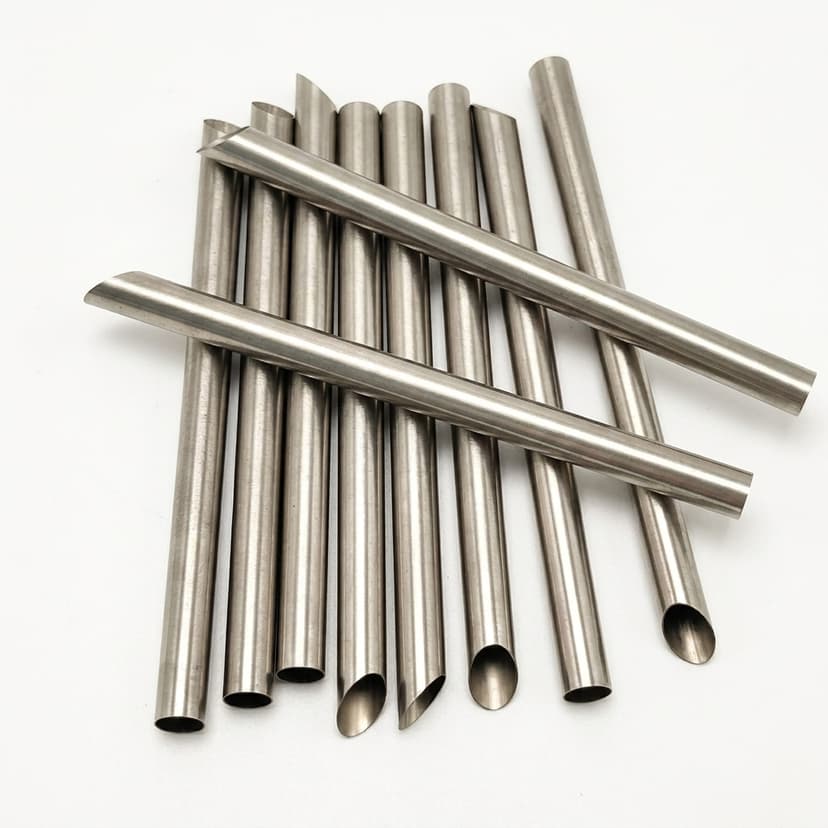
medical hypotube after electropolishing and passivation planning
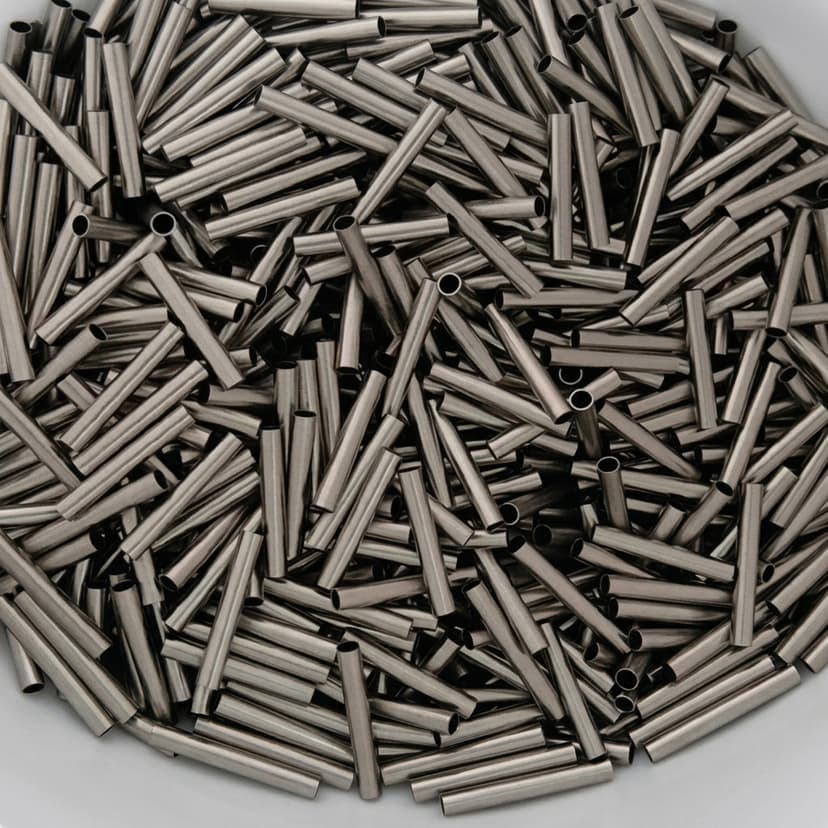
precision electropolished micro tube for catheter component sourcing

Buyer FAQ

Is electropolishing necessary?

Highly recommended for laser-cut parts to remove slag and burrs.

Can electropolishing change dimensions?

Yes. It removes material from exposed surfaces, so allowable material removal and CTQ dimensions should be confirmed before processing.

Related Buyer Paths

Inquiry Email

[email protected]

Best for drawings, tolerance tables, inspection needs, and quote history.

Instant Chat

WhatsApp Engineering Support

Fast path for OD/ID, material, sample quantity, and lead-time questions.

ISO 13485 & 9001-Oriented QMS
Burr-Free Electropolished Finish
CTQ Microscopic Inspection
Prototype to Mass Production