← Back to Products

Endoscope Snake Bone Tube

Laser-cut bending section and snake bone tube sourcing for steerable instruments.
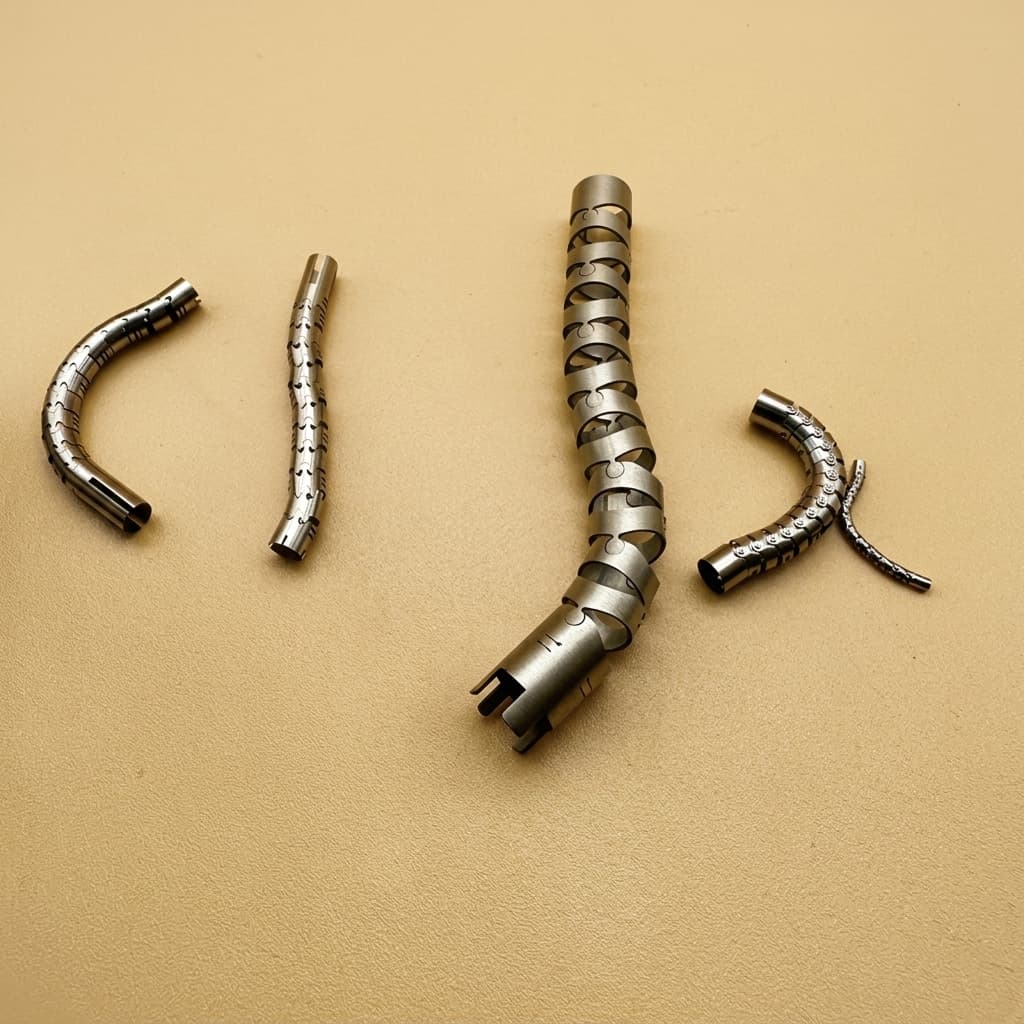
Target Buyer:Endoscope OEMs developing flexible bending sections.
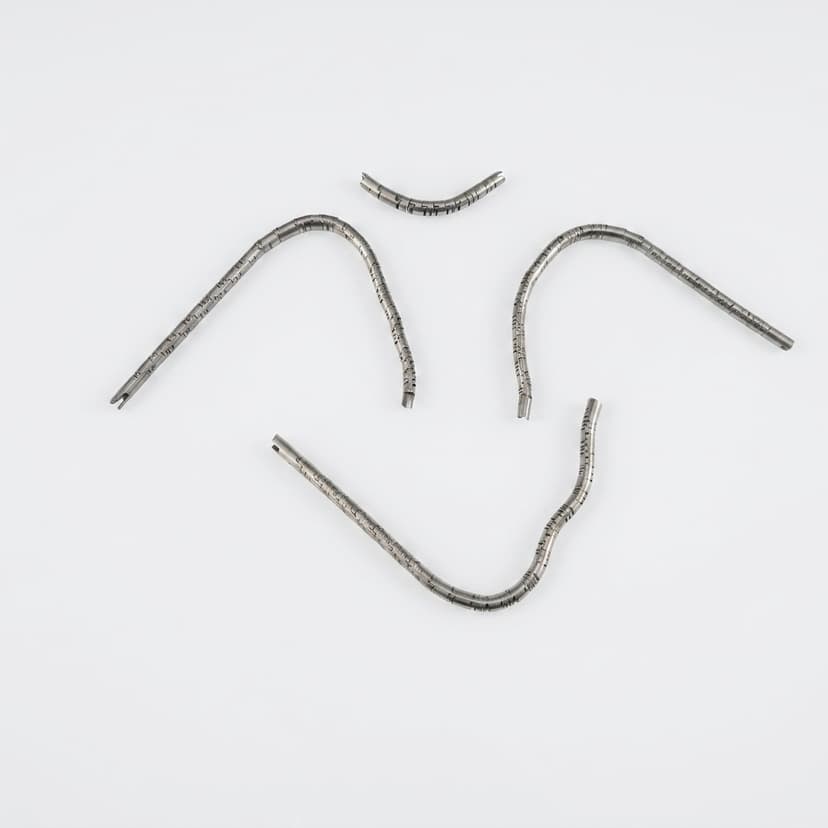
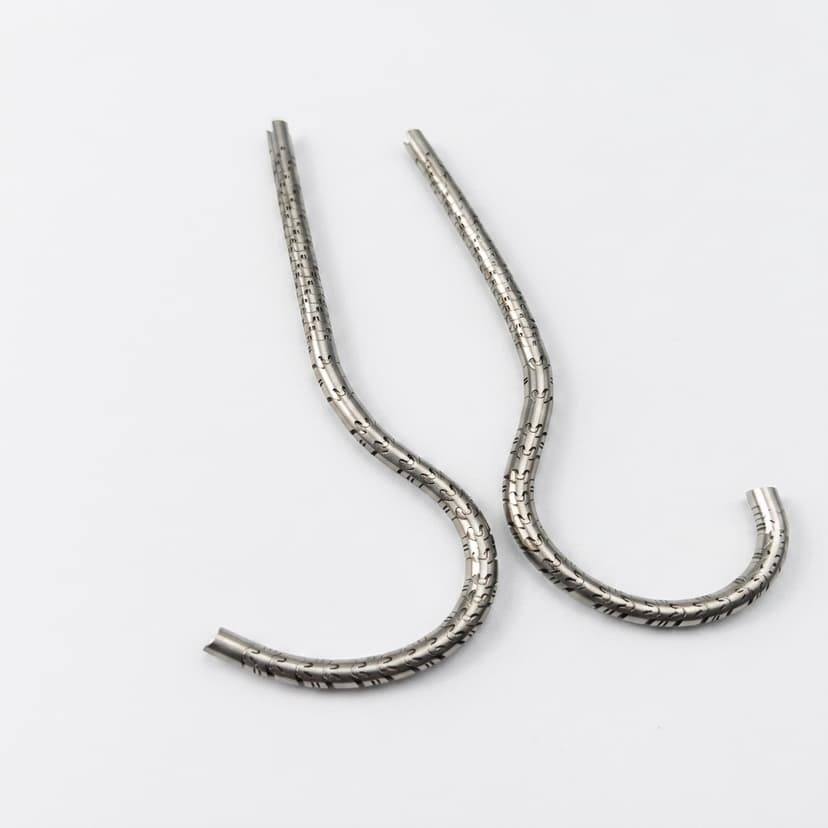
laser-cut endoscope bending section tube for articulation review

Capability Highlights

  • High-flex geometry
  • Stainless and nitinol
  • Miniature tube finishing

Typical Applications

  • Flexible endoscopes
  • Steerable surgical instruments
  • Access devices

Engineering Focus

  • Bending angle
  • Fatigue life
  • Cable path clearance

Key Evaluation Matrix

MetricTypical RangeWhy It Matters
Bending performancePattern-specificDetermines steering smoothness.
Tube material304 / 316L stainless steel, nitinol, cobalt chromeDefines fatigue behavior, recoverability, and cable-actuation feel.
Geometry inputsBend angle, hinge width, cable path, cycle targetGives engineering enough data to judge articulation risk.

Buyer Decision Points Before RFQ

Decision FactorConfirm Before QuoteBuyer Impact
Articulation geometryHinge pitch, bridge width, bend angle, cable path, and distal section length.Determines steering smoothness, bending radius, and whether the scope can meet motion targets.
Material and fatigue target304/316L, nitinol, cobalt chrome, wall thickness, and expected bend-cycle target.Prevents hinge cracking or loss of recovery during repeated actuation.
Assembly interfacesProximal/distal joining features, weld zones, cable clearance, and cleaning requirement.Lets the tube integrate with pull wires, sleeves, and distal caps without rework.

RFQ Checklist

  1. Send bending section drawing
  2. Confirm target bend angle
  3. Define fatigue expectations

Risk Controls

  • Pattern fatigue: Prototype with representative cycles.
  • Pull-wire or sleeve interference: Confirm cable path, hinge clearance, distal cap interface, and edge finishing before cutting samples.

Manufacturing and Release Flow

  1. Kinematic review: Review bend angle, articulation direction, cable path, hinge stress, and available tube envelope.
  2. Laser patterning: Cut repeatable hinge and clearance features in stainless, nitinol, or cobalt chrome tubing.
  3. Surface conditioning: Electropolish, deburr, clean, and inspect hinge edges that drive fatigue performance.
  4. Sample iteration: Support prototype feedback on bend feel, cable travel, recovery, and cycle-risk findings.

Quality Evidence Buyers Can Request

  • Hinge geometry and cable-path feature inspection
  • Visual review of edge condition at high-stress hinge features
  • Material traceability and dimensional release record
  • Prototype notes for bend angle, recovery, and fatigue-risk observations

Product Gallery

flexible endoscope snake bone tube with cut hinge features
laser-cut bending section component for steerable endoscope design
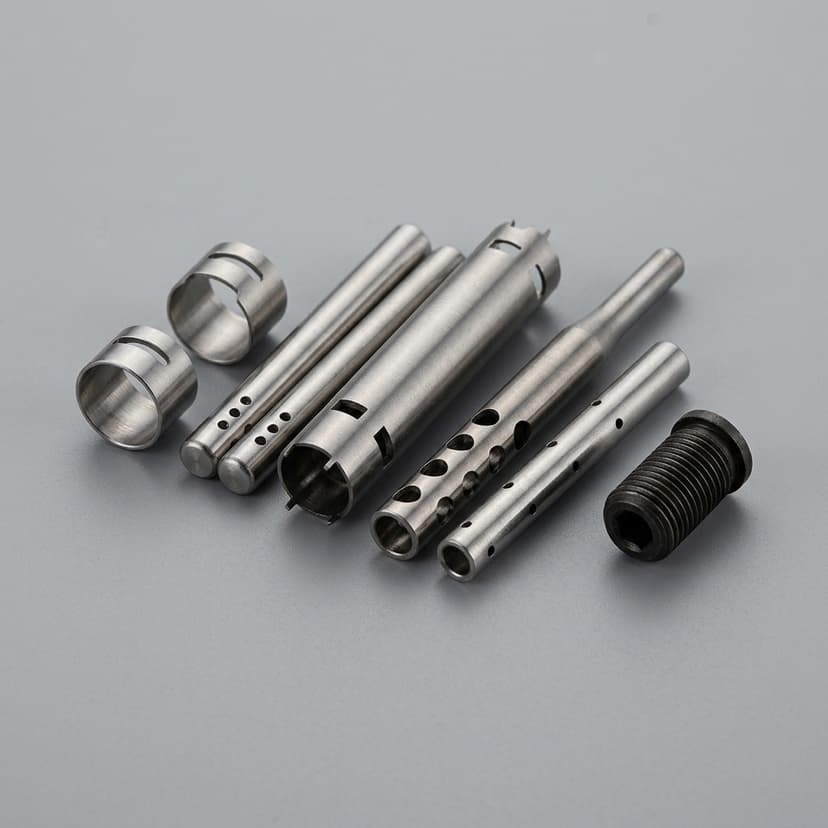
endoscope articulation tube sample for fatigue and edge review
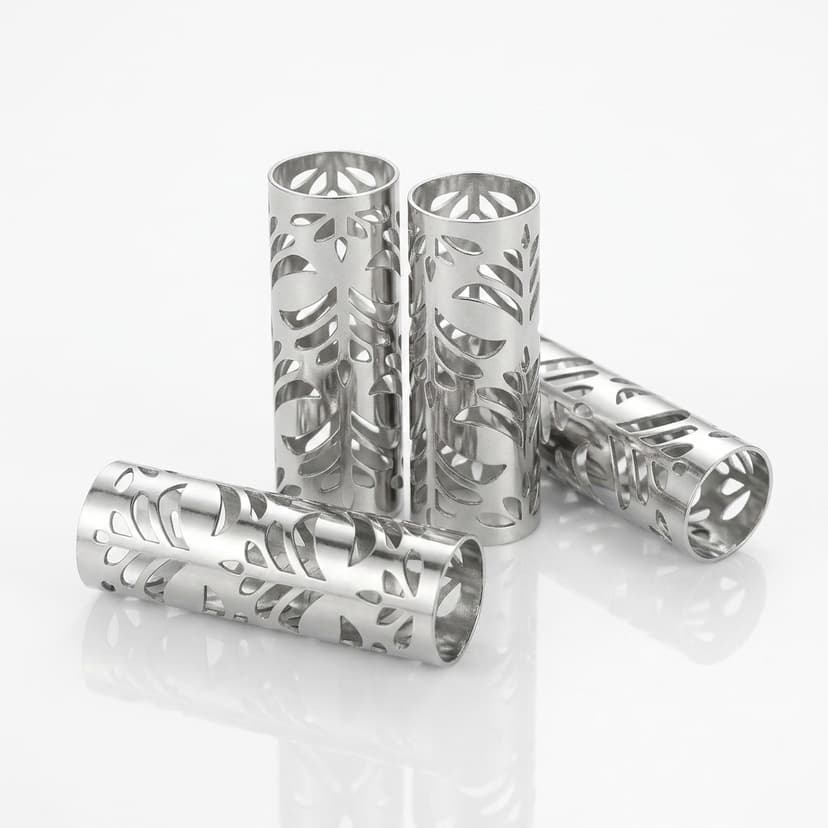
precision snake bone tube for flexible endoscope component sourcing

Buyer FAQ

Can you review a pattern?

Yes, provide drawing and bend target.

How should a snake bone tube pattern be validated?

Validate bend angle, recovery, pull-wire travel, hinge fatigue, edge condition, and assembly clearance in a representative prototype loop.

Related Buyer Paths

Inquiry Email

[email protected]

Best for drawings, tolerance tables, inspection needs, and quote history.

Instant Chat

WhatsApp Engineering Support

Fast path for OD/ID, material, sample quantity, and lead-time questions.

ISO 13485 & 9001-Oriented QMS
Burr-Free Electropolished Finish
CTQ Microscopic Inspection
Prototype to Mass Production