← Back to Resources

Hypotube RFQ Checklist

A structured checklist for preparing medical hypotube RFQs to ensure rapid and accurate supplier quoting.
Best Fit For:Sourcing managers and R&D engineers preparing drawing packages.
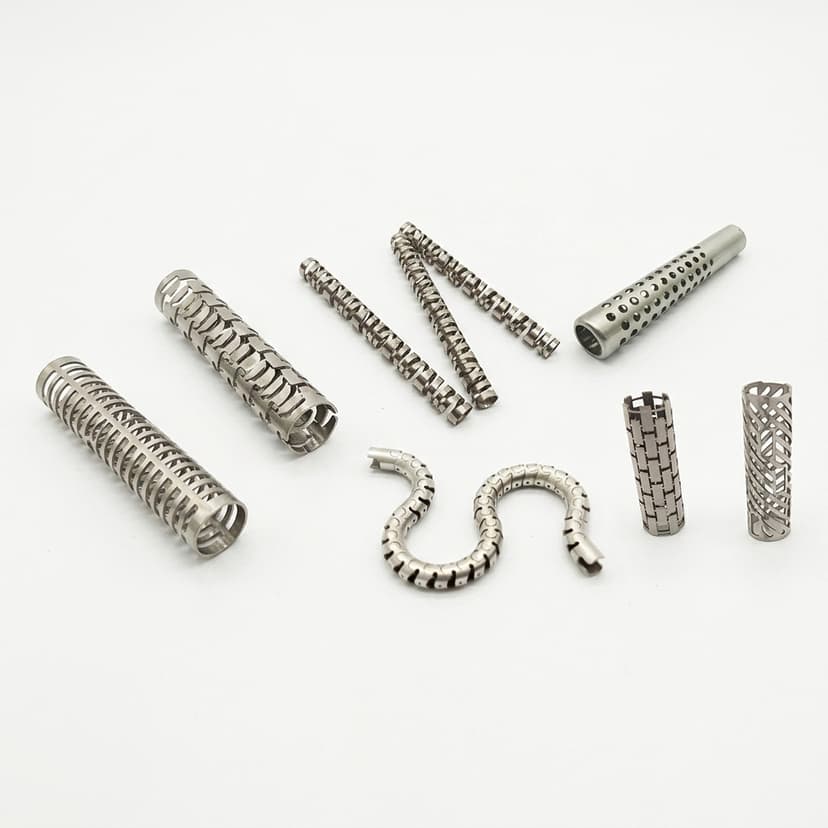
medical hypotube drawing review inputs for RFQ preparation

Guide Highlights

  • Reduce quote turnaround
  • Avoid drawing ambiguity
  • Ensure DFM readiness

Related Applications

  • Hypotube sourcing
  • Laser cutting RFQs
  • Nitinol quoting

Engineering Focus

  • Dimensional callouts
  • Material grades
  • Testing requirements

Evaluation Parameters

MetricTypical RangeImpact on Procurement
Quote Time1-3 daysComplete data prevents endless clarification loops.
Required drawing data2D drawing, tolerances, material, finish, quantity, and revisionLets suppliers price the actual component instead of issuing a placeholder quote.
CTQ definitionOD/ID/wall, length, slot, burr, Ra, and inspection needsKeeps cost drivers visible before sample and pilot purchase orders.

How to Use This Guide in Sourcing

Decision FactorConfirm Before QuoteBuyer Impact
Minimum RFQ packetDrawing revision, material, dimensions, tolerance, finish, quantity, destination, and target date.Prevents a supplier from quoting only a rough capability estimate.
Critical-to-quality dimensionsOD, ID, wall, length, concentricity, slot, burr, surface roughness, or visual criteria.Separates must-meet features from nice-to-have dimensions and shortens DFM review.
Documentation expectationsMaterial certificate, inspection report, traceability, packaging, cleanliness, and certificate scope.Avoids late commercial changes when quality records are added after price agreement.

RFQ Preparation Checklist

  1. Provide clear 2D/3D drawings
  2. Specify acceptable burr limits
  3. Include annual volumes

Sourcing Risk Management

  • Incomplete requirements: Use this checklist before sending the RFQ.
  • Quote-to-sample mismatch: Attach drawing revision, CTQ list, and acceptance criteria in the first RFQ email.

Practical Review Sequence

  1. Prepare technical packet: Collect drawing files, material grades, dimensional limits, finish requirements, and application notes.
  2. Mark open assumptions: Label unknown dimensions, optional finishes, sample quantities, and validation tests that are not yet frozen.
  3. Submit quote request: Send the packet with a target response date, delivery destination, and expected prototype or production volume.
  4. Review supplier questions: Resolve DFM, inspection, certificate, and packaging questions before accepting a quotation.

Evidence to Request From Suppliers

  • Material certificate and heat/lot traceability requirement
  • Dimensional report format for CTQ dimensions
  • Surface finish, burr, and edge-condition inspection criteria
  • Packaging, cleanliness, and labeling expectations for medical components

Related Products

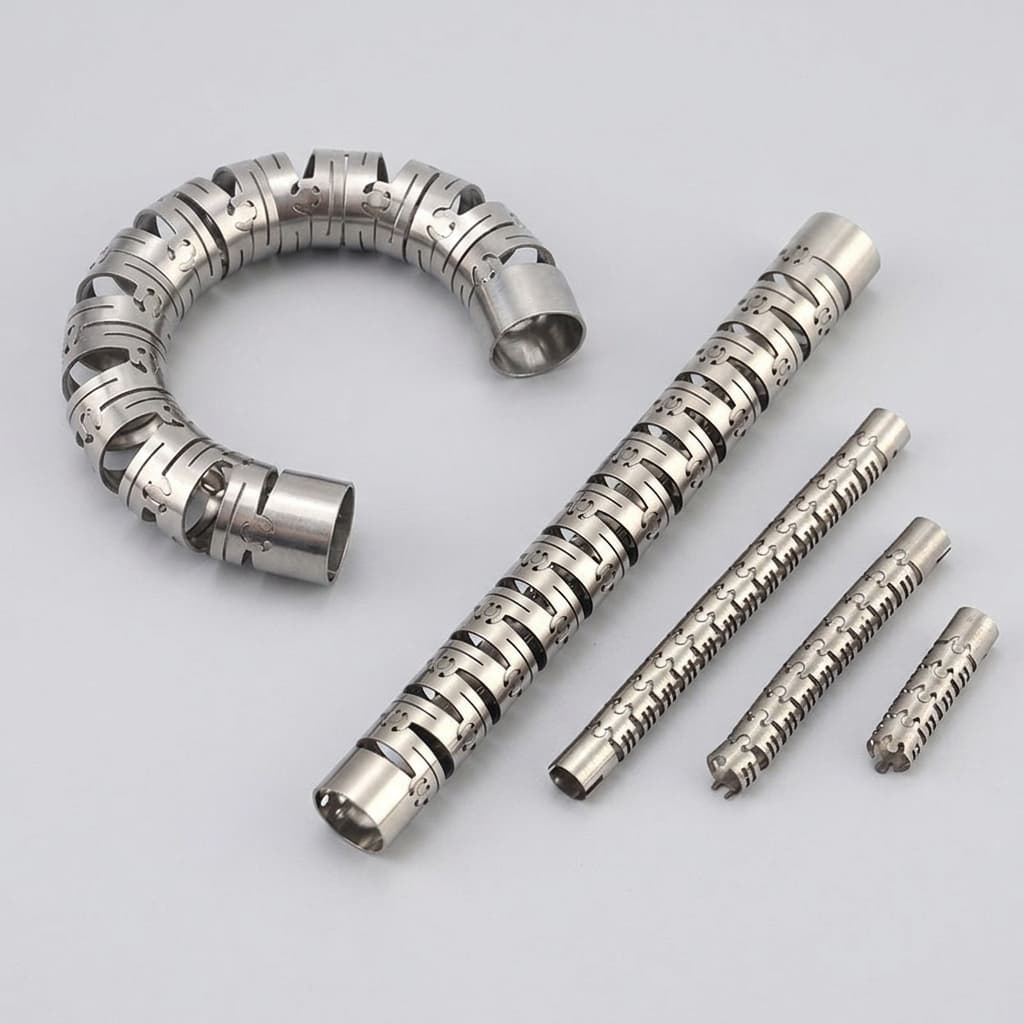
laser cut hypotube sample used to define RFQ tolerance and burr limits

FAQ

Why do you need drawing tolerances?

Tolerances directly drive manufacturing methods and cost.

Can I request a quote before the drawing is final?

Yes, but label the drawing as preliminary and identify open dimensions, expected tolerance bands, and the decision date for design freeze.

Related Buyer Paths

Inquiry Email

[email protected]

Best for drawings, tolerance tables, inspection needs, and quote history.

Instant Chat

WhatsApp Engineering Support

Fast path for OD/ID, material, sample quantity, and lead-time questions.

ISO 13485 & 9001-Oriented QMS
Burr-Free Electropolished Finish
CTQ Microscopic Inspection
Prototype to Mass Production