← Back to Applications

Stent Delivery Hypotube

Precision hypotube shafts engineered for stent delivery and deployment systems.
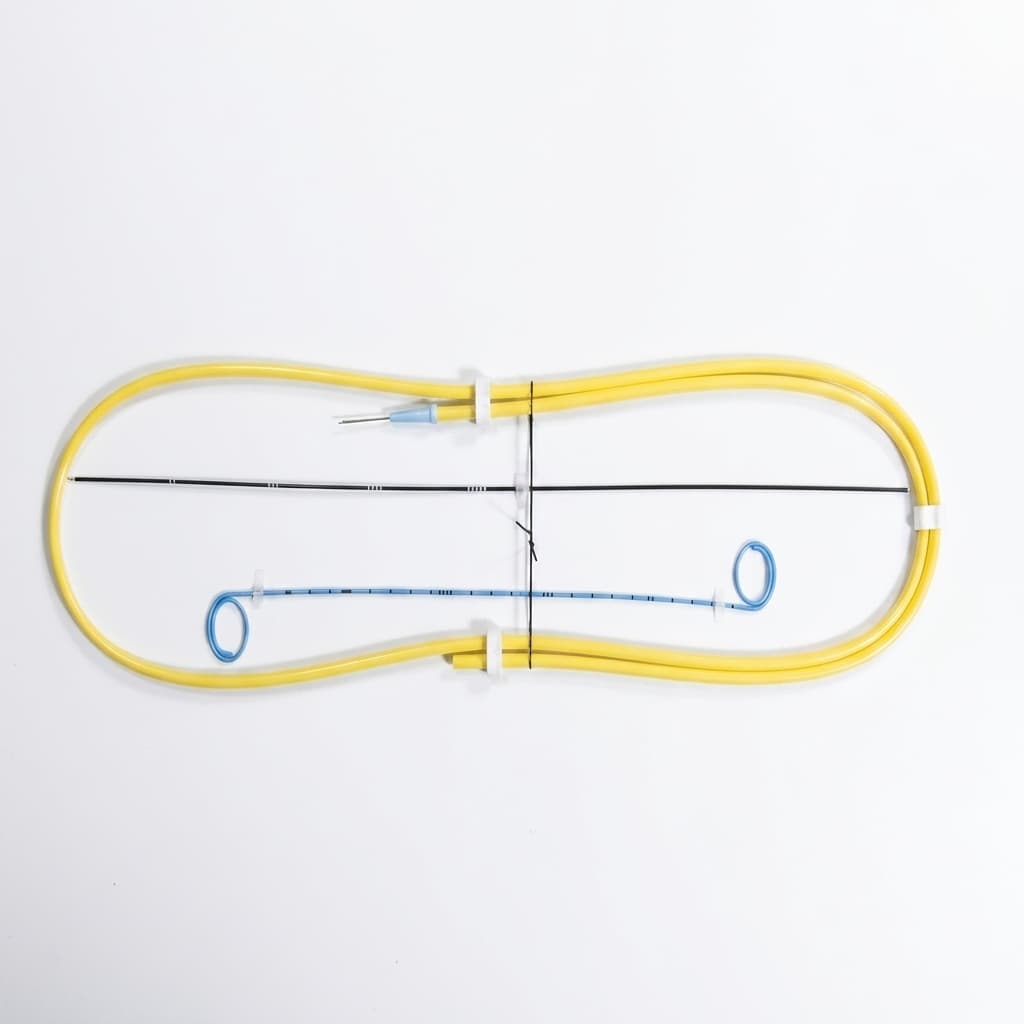
Target Buyer:Interventional device OEMs.
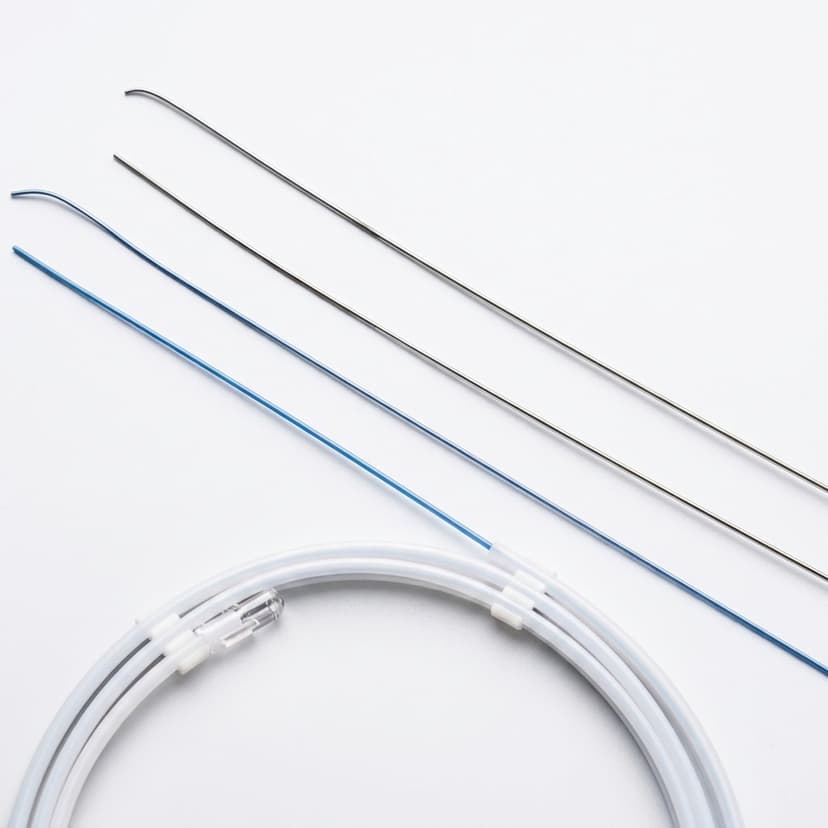
stent delivery hypotube component for catheter shaft sourcing

Solution Highlights

  • High pushability
  • Kink resistance
  • Smooth ID for delivery

Common Use Cases

  • Coronary stents
  • Peripheral stents
  • Neurovascular stents

Implementation Focus

  • Pushability
  • Trackability
  • Inner surface finish

Application Evaluation Matrix

Evaluation MetricTypical RangeBuyer Relevance
Column strengthApplication specificEnsures reliable stent deployment.
Inner surface conditionSmooth ID, deburred edge, optional electropolishingReduces friction and device hang-up during stent delivery.
Transition-zone geometryLaser pattern, slot pitch, bridge width, taper lengthBalances delivery support, kink resistance, and distal trackability.

Buyer Decision Points Before RFQ

Decision FactorConfirm Before QuoteBuyer Impact
Support versus flexibilityRequired column strength, distal flexibility, transition length, and kink-resistance target.Prevents a shaft that tracks well but cannot deploy, or deploys but kinks in tortuous anatomy.
Device passage conditionID finish, burr limit, cleaning method, and any coating or liner interface.Reduces deployment friction and failures during bench validation.
Imaging and assembly needsMarker band locations, radiopacity target, bond zones, and proximal joining features.Links the hypotube specification to the complete delivery-system assembly.

RFQ Preparation Checklist

  1. Define push/track metrics
  2. Specify surface finish
  3. Provide assembly drawings

Risk and Mitigation

  • Kinking in tortuous anatomy: Optimize laser cut transition zones.
  • Deployment friction: Specify ID finish, edge deburring, cleaning, and inspection criteria at the RFQ stage.

Application Build and Release Flow

  1. Use-case review: Confirm coronary, peripheral, or neurovascular stent delivery requirements and anatomical constraints.
  2. Shaft feature planning: Review laser cuts, taper zones, marker locations, and ID finish before prototype build.
  3. Surface and edge finishing: Apply deburring, electropolishing, passivation, or cleaning based on deployment-friction risk.
  4. Release against test plan: Provide samples with inspection data aligned to push, kink, tensile, and dimensional checks.

Quality Evidence Buyers Can Request

  • Column-critical dimension and transition-zone inspection
  • Microscopic edge review at laser slots, tube ends, and marker interfaces
  • Surface finish or cleaning record when specified
  • Material certificate and lot traceability for prototype and pilot builds

Recommended Products

laser-cut stent delivery hypotube for flexibility review
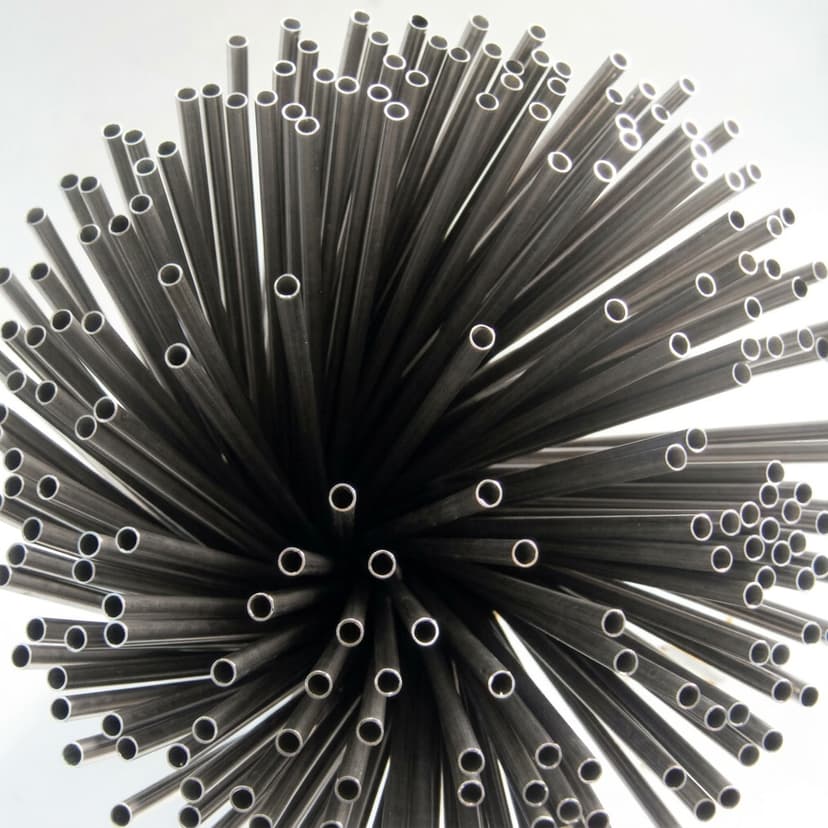
precision stent delivery hypotube sample with cut features
stent delivery hypotube shaft for pushability and torque review
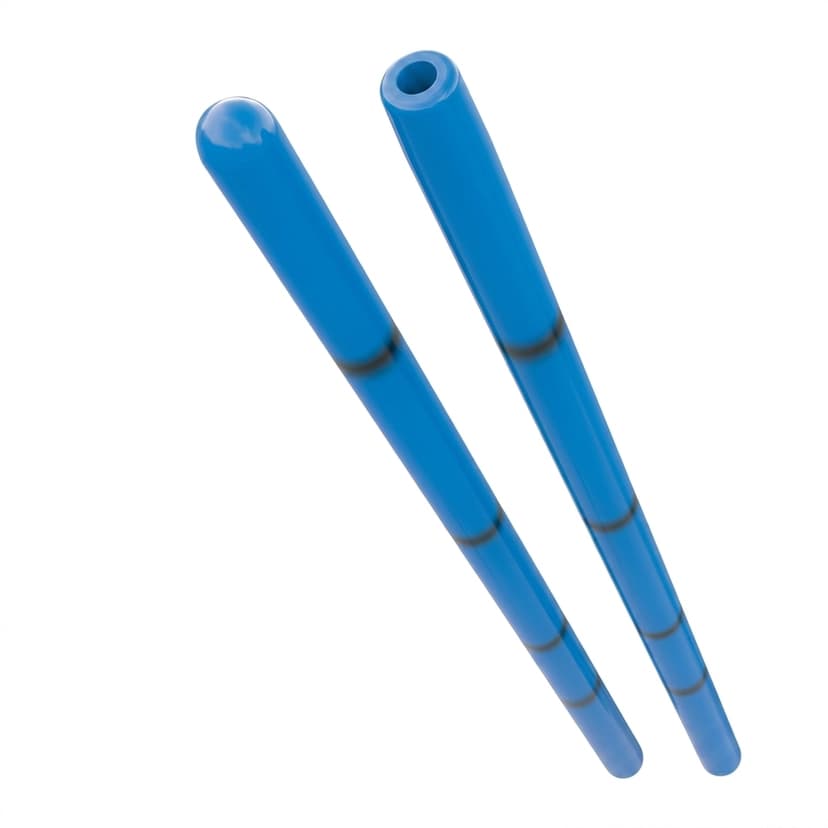
medical stent delivery tube component for RFQ inspection inputs

Buyer FAQ

Can you test pushability?

We support prototype validation loops.

What information helps quote a stent delivery hypotube?

Include shaft dimensions, delivery system type, laser-cut transition geometry, ID finish expectation, and the validation tests used by your team.

Related Buyer Paths

Inquiry Email

[email protected]

Best for drawings, tolerance tables, inspection needs, and quote history.

Instant Chat

WhatsApp Engineering Support

Fast path for OD/ID, material, sample quantity, and lead-time questions.

ISO 13485 & 9001-Oriented QMS
Burr-Free Electropolished Finish
CTQ Microscopic Inspection
Prototype to Mass Production