← Back to Resources

Nitinol Tubing Supplier Checklist

Key parameters to evaluate when selecting a nitinol tubing or component contract manufacturer.
Best Fit For:Procurement and quality teams auditing nitinol suppliers.
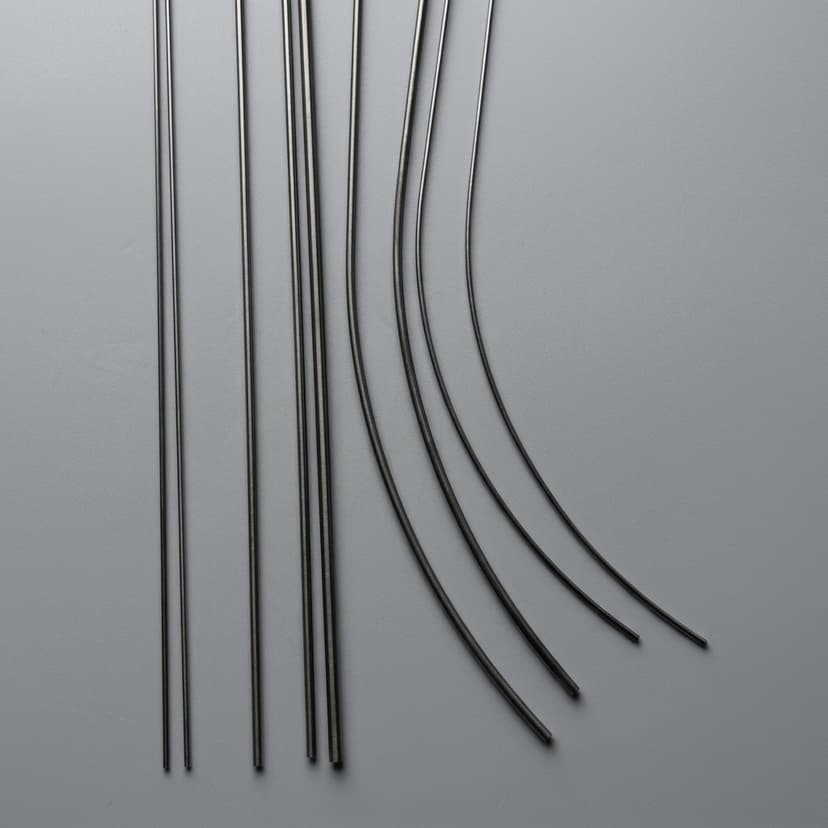
medical nitinol tubing for supplier qualification checklist

Guide Highlights

  • AF temperature control
  • Surface oxide removal
  • Raw material traceability

Related Applications

  • Stent component programs
  • Superelastic shafts
  • Shape-memory component programs

Engineering Focus

  • DSC testing capabilities
  • Heat treatment ovens
  • Electropolishing

Evaluation Parameters

MetricTypical RangeImpact on Procurement
AF Tolerance+/- 3 to 5 °CEnsures reliable in vivo deployment.
Surface conditionOxide etched, centerless ground, electropolished, cleanedA dimensionally correct nitinol tube can still fail if oxide or surface condition is wrong for the application.
Traceability depthChemistry, heat lot, transformation target, and processing notesSupports supplier qualification and repeatability across prototype and pilot lots.

How to Use This Guide in Sourcing

Decision FactorConfirm Before QuoteBuyer Impact
Transformation targetAf temperature, use temperature, superelastic or shape-memory function, and verification method.Prevents a supplier from meeting dimensions while missing the functional behavior.
Surface stateOxide, etched, ground, electropolished, passivated, or cleaned condition by application.Controls friction, corrosion, coating readiness, and downstream assembly behavior.
Repeatability evidenceMaterial certificate, lot traceability, heat-treatment notes, dimensional report, and inspection method.Gives quality teams evidence to compare sample, pilot, and production lots.

RFQ Preparation Checklist

  1. Ask for sample DSC curves
  2. Request ISO 13485 certificate scope when required
  3. Confirm scrap handling policy

Sourcing Risk Management

  • Brittle failures: Strict atmospheric control during heat setting.
  • Wrong transformation behavior: Confirm Af target, use temperature, shape-setting conditions, and verification method before ordering.

Practical Review Sequence

  1. Screen material and function: Confirm alloy scope, Af target, use temperature, fatigue expectations, and application constraints.
  2. Review processing route: Evaluate tube drawing, grinding, shape setting, laser cutting, oxide removal, and cleaning needs.
  3. Define verification: Set dimensional, surface, transformation, and visual inspection requirements before quotation.
  4. Compare supplier evidence: Use records and sample performance to qualify the supplier for pilot or repeat production.

Evidence to Request From Suppliers

  • Material traceability and ASTM F2063-oriented documentation scope
  • Af target or transformation-temperature evidence when requested
  • Surface condition record for oxide, grinding, electropolishing, or cleaning
  • Dimensional report and visual inspection for micro tube features

Related Products

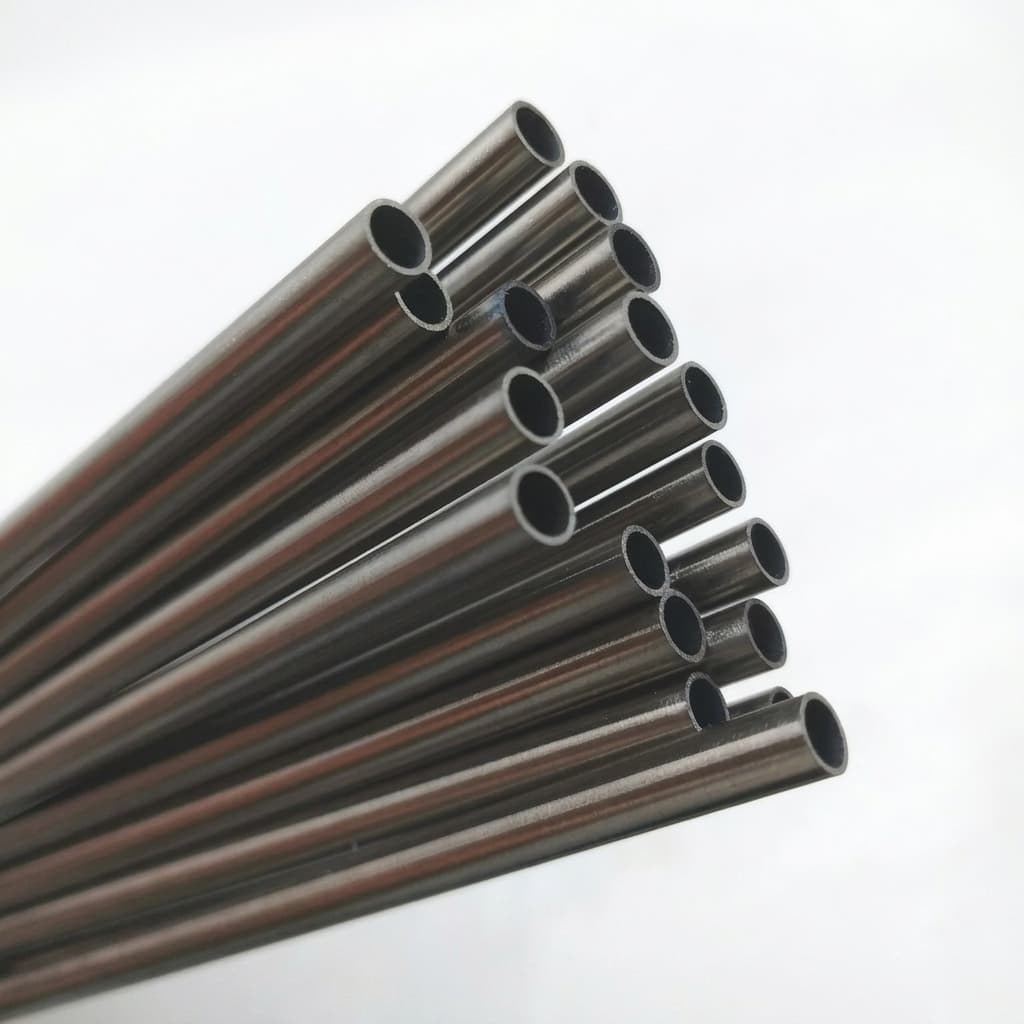
superelastic nitinol tube sample for Af and surface review

FAQ

Why is oxide removal critical?

Black oxide can affect surface condition, friction, and application-specific validation requirements.

What makes nitinol supplier qualification different?

Nitinol sourcing must cover chemistry, transformation temperature, heat-treatment route, surface condition, fatigue assumptions, and traceability, not only OD and wall tolerance.

Related Buyer Paths

Inquiry Email

[email protected]

Best for drawings, tolerance tables, inspection needs, and quote history.

Instant Chat

WhatsApp Engineering Support

Fast path for OD/ID, material, sample quantity, and lead-time questions.

ISO 13485 & 9001-Oriented QMS
Burr-Free Electropolished Finish
CTQ Microscopic Inspection
Prototype to Mass Production